PVC Sheet – A Complete Practical Guide from Selection to Processing and Maintenance
PVC sheet, with its excellent chemical stability, flame retardancy, corrosion resistance and economical pricing, has become a preferred material choice in chemical corrosion protection, architectural decoration, advertising signage and electrical electronics industries. To fully realize the performance advantages of PVC sheet and ensure long service life, proper selection, correct processing and standardized maintenance are all essential. This practical guide provides a complete PVC sheet selection guide, analysis of core processing techniques and daily maintenance considerations.
1. PVC Sheet Selection Guide
Correctly selecting the right type, thickness and specification of PVC sheet is the first step to ensuring application effectiveness and cost efficiency. The following dimensions require special attention during selection.
Selection by Rigidity: Rigid PVC sheet offers good flexibility, is non-toxic and durable, with high surface hardness and excellent scratch resistance, accounting for two-thirds of total PVC sheet market share with thickness up to 65mm. Suitable for industrial applications requiring mechanical strength and corrosion resistance such as chemical containers, building linings, electronic equipment covers and machine guards. Flexible PVC sheet contains plasticizers, offering a glossy and soft surface with good toughness, flexibility and sealing performance, with service temperature range of -20°C to +40°C. Mainly used for acid and alkali resistant equipment linings, sealing gaskets, leather surfaces and interior trim materials requiring flexibility and sealing, but note its susceptibility to aging.
Selection by Production Process: Extruded sheet is a rigid sheet produced by mixing PVC with auxiliary materials and extrusion forming, with thickness range of 2 to 30mm, width options of 900mm, 1300mm and 1500mm, standard length of 2000mm, and special processing width up to 1700mm. Suitable for conventional applications requiring standardized batch production. Laminated sheet is a rigid sheet produced by calendering into thin sheets followed by lamination, heating and pressing, with thickness range of 3 to 50mm and special processing thickness up to 50 to 120mm. Suitable for special applications requiring higher thickness and mechanical strength. Expanded sheet is divided into celuka foam sheet and free foam sheet. Celuka foam sheet has lower expansion rate and higher surface hardness, suitable for building exterior walls requiring surface strength; free foam sheet has relatively higher expansion rate and general hardness with greater versatility, capable of nailing, drilling, planing, chiseling, riveting and bonding, possessing all processing properties of wood, widely used in decoration, commercial advertising, automotive, marine, furniture, transportation and other industries, serving as an ideal “plastic instead of wood, plastic instead of metal” material.
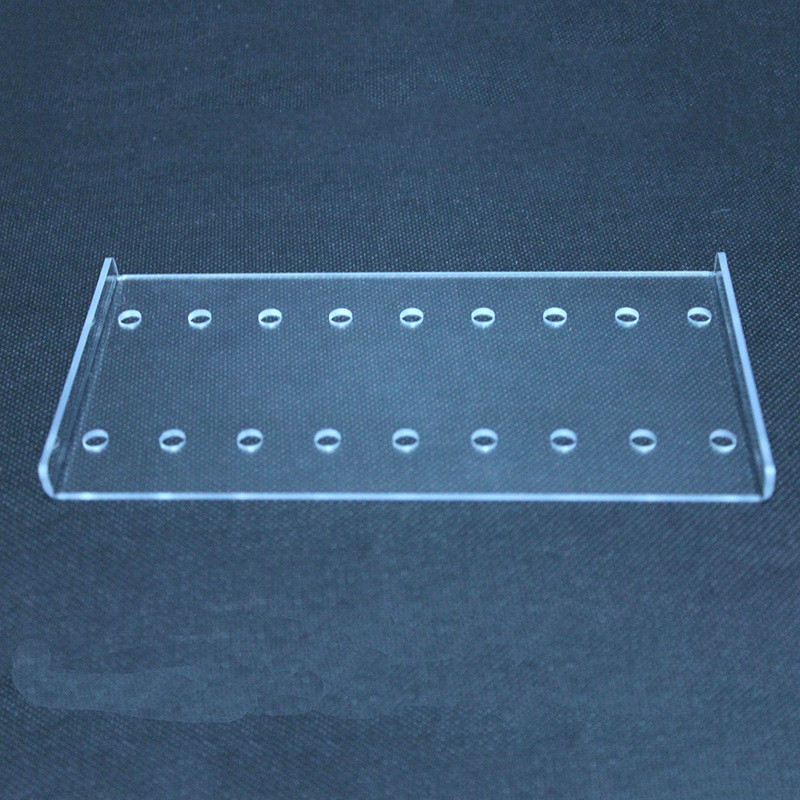
Selection by Appearance: Rigid PVC extruded sheet is generally available in gray and white, with colored rigid sheets available upon customer request in bright and aesthetically pleasing colors. PVC transparent sheet has thickness up to 20mm with maximum width of 1300mm and standard specification of 1300×2000mm, achieving light transmittance above 73%, featuring high strength, high transparency, good weather resistance, non-toxic and hygienic properties, with some physical property indicators superior to acrylic. Flexible PVC sheet is available in multiple colors including white, green, brown, blue, red, gray and black, suitable for equipment linings and sealing gaskets.
Selection by Special Function: Anti-static PVC sheet offers surface resistance values of 10⁶ to 10⁸ ohms with excellent anti-static function, while maintaining good impact resistance and chemical solvent resistance, with light transmittance above 80% and UL 94 V-0 flame retardancy rating, suitable for cleanroom enclosures, test fixtures, equipment covers and electronic instruments requiring both electrostatic protection and fire safety. Flame retardant PVC sheet meets UL 94 V-0 highest flame retardancy rating requirements, suitable for locations with strict fire safety regulations.
Thickness Selection: 0.8 to 3mm thin sheets are suitable for light-load scenarios such as light box panels, interior decoration and display signage. 4 to 10mm medium thickness sheets are suitable for conventional applications such as chemical containers, equipment covers, building templates and furniture panels. 12mm and above thick sheets are suitable for applications requiring higher mechanical strength and corrosion resistance such as large chemical tanks, electroplating tanks, water treatment equipment and heavy-load structural components. For extruded sheet, conventional thickness range is 2 to 30mm; for laminated sheet, thickness can reach 3 to 50mm with special processing up to 50 to 120mm; rigid PVC sheet thickness can reach up to 65mm; transparent sheet thickness does not exceed 20mm.
2. PVC Sheet Processing Techniques
PVC sheet is renowned for its excellent processability, allowing fabrication into various shapes and sizes of products through multiple techniques to meet diverse industry requirements.
Cutting and Blanking: PVC sheet can be cut using various methods. Mechanical cutting uses circular saws, band saws or jigsaws for straight and irregular cuts, suitable for thick sheets and high-volume production. Laser cutting can cut arbitrarily complex shapes including circles, irregular shapes, hollow cutouts, text and patterns, offering high cutting accuracy and smooth cut edges, suitable for thin sheets and high-precision products. For flexible PVC sheet, “V” groove cutters can be used to cut smooth beveled edges with joining angles of approximately 55 degrees.
Hot Bending and Thermoforming: Hot bending involves heating PVC sheet to softening temperature, bending to the desired angle, and allowing to cool and set. Bending angles are adjustable from 0 to 180 degrees, suitable for PVC light boxes, display cases, protective covers and bent frames. Key control points are heating temperature and bending angle, avoiding sheet cracking and deformation. For batch bending scenarios, hot bending machines and forming molds enable standardized production. PVC sheet can also be thermoformed into complex three-dimensional shapes through vacuum forming and hot press forming.
Engraving and Surface Treatment: PVC sheet can be CNC engraved to create text, patterns and textures for advertising signs, display boards and trophies. For surface finishing, various decorative processes including UV printing, color printing, spraying, screen printing, decal application and 3D engraving are available to meet custom requirements. For engraving fine patterns, small-diameter ball end mills or flat-bottom engraving bits are recommended to ensure detail clarity.
Bonding and Welding: When splicing complex shapes or fabricating large containers is required, bonding or welding processes become necessary. PVC sheet can be bonded using specialized PVC adhesives, requiring joint surface preparation including cleaning and sanding, with precise control of adhesive quantity to avoid bubbles and adhesive failure. For flexible PVC sheet, hot air welding can be used. Set hot air welding gun temperature to 180-250 degrees Celsius, use welding rods with composition matching the base sheet material, cut adjacent sheet edges into V-grooves before welding, with groove depth generally two-thirds of sheet thickness to ensure weld strength.
Die-Cutting and Stamping: PVC sheet can be die-cut for high-volume production of standardized parts, suitable for electronic and electrical insulation gaskets, sealing components and similar products. Die-cutting can be performed using steel rule dies, engraved dies or rotary dies with tolerances of ±0.05mm.
3. PVC Sheet Installation Techniques
Correct installation techniques are crucial for ensuring application effectiveness and extending service life of PVC sheet.
Pre-Installation Preparation: PVC sheet should be placed at the installation site for more than 24 hours before installation, allowing material temperature to stabilize with the installation environment temperature, avoiding dimensional changes due to temperature differences. Clean the installation substrate before construction to ensure smooth, dry surface free of oil and debris.
Rigid PVC Sheet Installation: Rigid PVC sheet can be installed using adhesive bonding, batten fixing, nailing and plastic button fixing methods. Adhesive bonding method is suitable for fixing PVC sheet to wooden framework or concrete ceilings, requiring removal of surface dust and leveling before installation, with layout lines marked on framework or ceiling according to sheet dimensions and joint widths. Batten fixing method involves first fixing PVC decorative sheet with nails to wooden framework or strips, then marking batten control lines on the ceiling surface, adding and nailing battens with nail spacing not exceeding 200mm, using wooden, metal or rigid plastic battens as appropriate. Nailing method is suitable for fixing to wooden framework or strips, using galvanized round nails with spacing not exceeding 150mm, nail heads flush with sheet surface and arranged neatly, with exposed nail heads painted with same color as sheet surface.
Flexible PVC Sheet Installation: Flexible PVC sheet should be pre-laid before installation to determine jointing arrangements. Use “V” groove cutters for blanking, cutting smooth beveled edges. Overlap cutting should be used at all material joints, with overlap width generally not less than 3cm. During laying, select appropriate specialized adhesives and adhesive spreaders according to sheet type, roll up one end of the sheet, clean both front and back surfaces, then apply specialized adhesive to the floor surface evenly. After laying, perform rolling and air expulsion to ensure full contact between sheet and substrate. Perform grooving and welding 24 hours after laying completion, with groove depth generally two-thirds of sheet thickness.
4. Daily Maintenance of PVC Sheet
Proper daily maintenance and cleaning are crucial for extending the service life of PVC sheet.
Daily Cleaning: For daily cleaning of PVC sheet, use soft cotton cloth or microfiber cloth with neutral cleaner, gently wiping in circular motions, avoiding forceful scrubbing. Avoid using cleaners containing alcohol, acetone, benzene, strong acids or strong alkalis, as these chemicals can attack PVC sheet surfaces, causing discoloration, cracking or loss of gloss. For stubborn stains, dilute neutral cleaner and gently wipe with soft cloth, never using steel wool, stiff brushes or any abrasive cleaning tools.
Regular Maintenance: For PVC sheet used outdoors long-term, comprehensive cleaning every 3 to 6 months is recommended, promptly removing dust, bird droppings and other contaminants to prevent long-term surface corrosion. For PVC sheet used in chemical environments, regularly inspect surfaces for signs of chemical attack and clean promptly to extend service life.
Scratch Repair: If minor scratches appear on PVC sheet surfaces, they can be repaired through polishing. For superficial scratches, manual polishing with specialized plastic polish and soft cloth can eliminate them. For deeper scratches, sanding with progressively finer grit sandpaper is required, followed by cloth wheel polishing to restore surface smoothness.
Storage and Transportation: PVC sheet should be stored in dry, ventilated, light-protected locations, avoiding direct sunlight and high-temperature environments. Sheets should be stored flat on smooth support surfaces to prevent bending deformation from gravity. During transportation, sheets should remain horizontally positioned, avoiding impact and friction, with specialized packaging materials protecting sheet surfaces.
5. Quality Certifications and Environmental Compliance
High-quality PVC sheet products should pass multiple quality certifications and environmental tests. For flame retardancy safety: UL 94 V-0 flame retardancy rating certification. For electrical performance: compliance with IEC 60674 and related standards. For environmental compliance: RoHS hazardous substance restriction directive, REACH chemical registration evaluation authorization regulation and SGS environmental testing, with all sheets manufactured using non-toxic, recyclable environmentally friendly materials with low VOC emissions, while also passing ISO 14001 environmental management system certification. Product quality complies with GB/T13520-1992 national standard. Most professional manufacturers provide over 5 years of product quality warranty.
6. Value Proposition of Choosing PVC Sheet
Choosing high-quality PVC sheet means selecting an ideal combination of chemical stability, flame retardancy, corrosion resistance and economy. From safe operation of chemical anti-corrosion equipment, to aesthetic durability of architectural decoration, to brilliant presentation of advertising signage, to reliable insulation of electrical electronics, PVC sheet serves every aspect of modern industry with its comprehensive performance advantages and processing convenience. With increasingly stringent environmental regulations and continuously expanding emerging application fields, the PVC sheet industry is moving toward greener, higher-end and more customized directions.